


 AV/Tech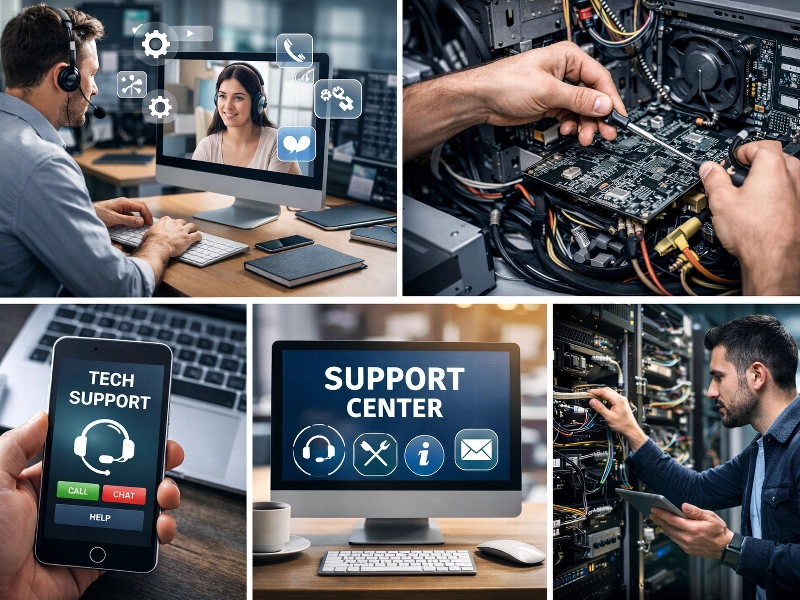






In today’s technology-driven world, businesses and individuals rely heavily on digital tools, software, and online services. When technical issues arise, technical support becomes the key factor that keeps systems running smoothly. A strong technical support system not only resolves problems but also builds trust, efficiency, and long-term customer satisfaction.
What Is Technical Support?Technical support refers to services provided to help users resolve issues related to hardware, software, networks, or digital platforms. It can include troubleshooting errors, fixing bugs, guiding users, maintaining systems, and preventing future problems. Technical support can be offered through multiple channels such as phone, email, live chat, tickets, or remote access.
Why Technical Support Is ImportantEffective technical support is critical for both businesses and users. It helps to:
Minimize downtime and service interruptions
Improve user experience and productivity
Protect systems from data loss and security risks
Ensure smooth operation of applications and websites
Build customer confidence and loyalty
Without reliable technical support, even the most advanced technology can become a liability.
Types of Technical Support1. Help Desk SupportHelp desk support is the first line of assistance for users. It handles common issues such as login problems, basic errors, configuration questions, and general guidance. Help desks often use ticketing systems to track and manage requests efficiently.
2. Software SupportSoftware support focuses on applications, websites, and platforms. This includes bug fixing, updates, compatibility issues, performance optimization, and user guidance for software features.
3. Hardware SupportHardware support deals with physical devices such as computers, servers, printers, and networking equipment. It includes installation, maintenance, repair, and replacement of faulty components.
4. Network and IT SupportNetwork support ensures stable and secure connectivity. This includes managing servers, cloud services, firewalls, data backups, and cybersecurity measures to protect systems from threats.
5. Remote Technical SupportRemote support allows technicians to access user systems securely over the internet. This method saves time, reduces costs, and enables faster problem resolution without on-site visits.
Key Skills of a Good Technical Support TeamA successful technical support team combines technical expertise with strong communication skills. Key qualities include:
Problem-solving and analytical thinking
Clear and patient communication
Knowledge of operating systems, software, and tools
Ability to work under pressure
Customer-focused mindset
Respond quickly to user queries
Document issues and solutions for future reference
Use clear, non-technical language when needed
Continuously update knowledge and skills
Proactively monitor systems to prevent issues
Technical support is more than just fixing problems — it is about ensuring reliability, security, and user satisfaction. In a digital-first environment, strong technical support acts as the backbone of successful businesses and smooth user experiences. Investing in quality technical support leads to fewer disruptions, happier users, and sustainable growth.


